Disease
Cystic Lung Disease
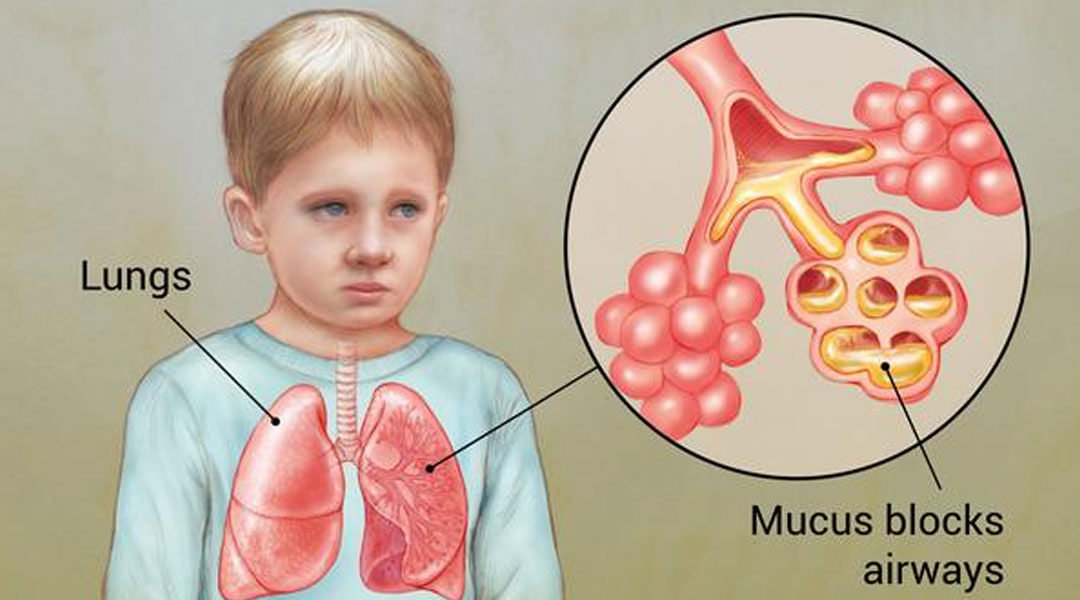
What is Cystic Lung Disease?
Cystic Lung Disease is a group of rare lung conditions characterized by the formation of multiple air-filled sacs or cysts within the lungs. These cysts can vary in size and number and often lead to breathing difficulties, repeated lung infections, or spontaneous lung collapse (pneumothorax).
Common Causes
There are several types of cystic lung diseases, which may be:
- Genetic: such as Lymphangioleiomyomatosis (LAM) or Birt-Hogg-Dubé Syndrome
- Congenital: like Congenital Pulmonary Airway Malformation (CPAM)
- Acquired: due to infections (e.g., Pneumatoceles from bacterial pneumonia), smoking-related diseases, or autoimmune disorders
Symptoms
Symptoms can vary depending on the underlying cause and severity, but often include
- Shortness of breath
- Chronic cough
- Chest pain
- Recurrent lung infections
- Fatigue
- Sudden lung collapse (in some cases)
Diagnosis
Diagnosis typically involves:
- High-resolution CT scan of the chest
- Pulmonary function tests
- Blood tests and genetic screening (in some cases)
- Lung biopsy (if needed)
Treatment Options
There is no one-size-fits-all treatment, as management depends on the specific condition causing the cysts. Common approaches include
- Medications to control symptoms and infections
- Oxygen therapy for advanced disease
- Lifestyle changes, including quitting smoking
- Surgical intervention in severe cases or for recurrent pneumothorax
