Disease
Congenital Hypertrophic Disease
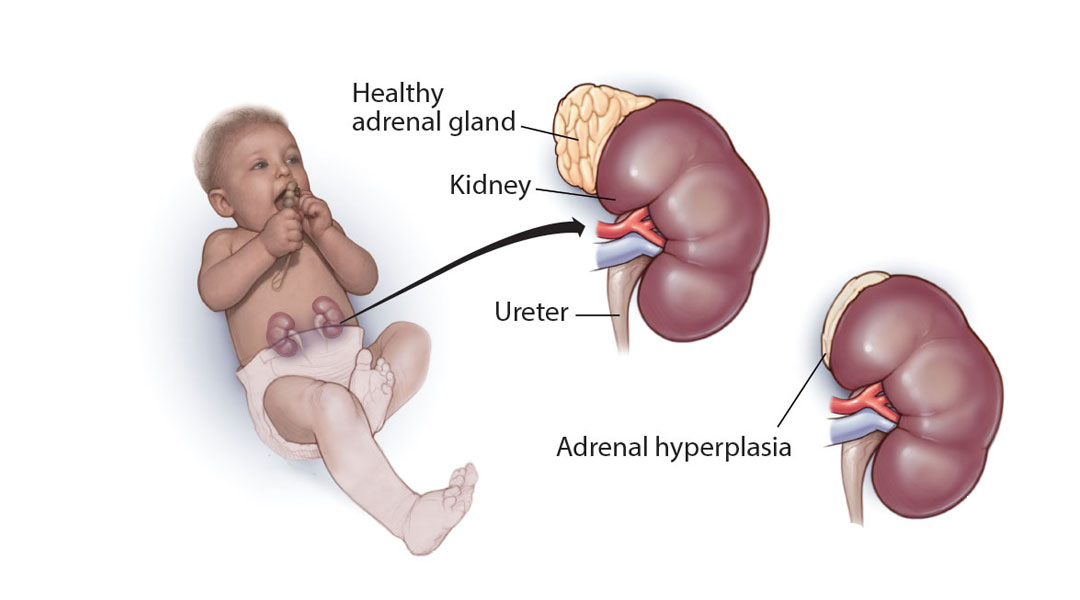
What is Congenital Hypertrophic Disease?
Congenital Hypertrophic Disease refers to a rare group of conditions present at birth that involve abnormal thickening (hypertrophy) of tissues, muscles, or organs. “Congenital” means the condition is present from birth, and “hypertrophic” indicates excessive growth or enlargement of a particular area in the body.
Common Types and Affected Areas:
Depending on the specific type, this disease can affect various parts of the body, such as:
- Heart (e.g., Congenital Hypertrophic Cardiomyopathy)
- Skin and soft tissues
- Skeletal muscles
- Liver or other internal organs
Causes
- Genetic mutations passed down from parents
- Spontaneous gene changes during fetal development
Symptoms May Include
- Shortness of breath (in cardiac cases)
- Rapid heartbeat
- Fatigue or weakness
- Abnormal organ enlargement
- Developmental delays (in some cases)
Diagnosis
- Physical examination
- Imaging tests (MRI, ultrasound, echocardiogram)
- Genetic testing
- Biopsy in rare cases
Treatment Options
Treatment depends on the severity and location of the disease and may include
- Medications to manage symptoms
- Surgical intervention
- Physical therapy (if muscles are involved)
- Regular monitoring by specialists
Prognosis
While some mild cases require minimal treatment, more serious forms—especially those affecting the heart—need long-term medical care. Early diagnosis and proper management can significantly improve quality of life.
